← Back to material portfolio
Material portfolio / published specifications

Find the formulation for your process.

Compare the published Ecoluxe and Moon Materials variants by polymer, processing temperature, application and material behavior. Start with the machine and part you need to make.

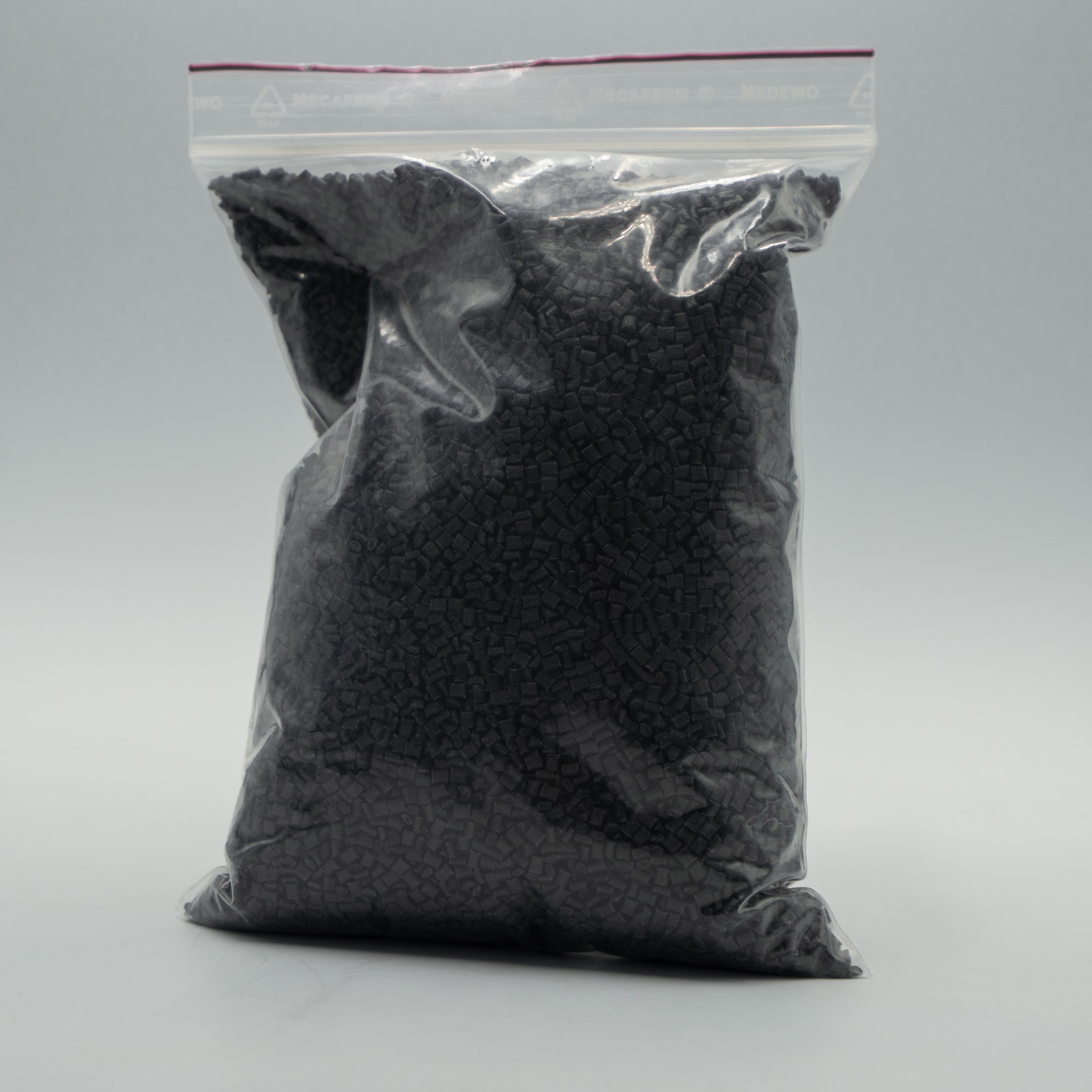
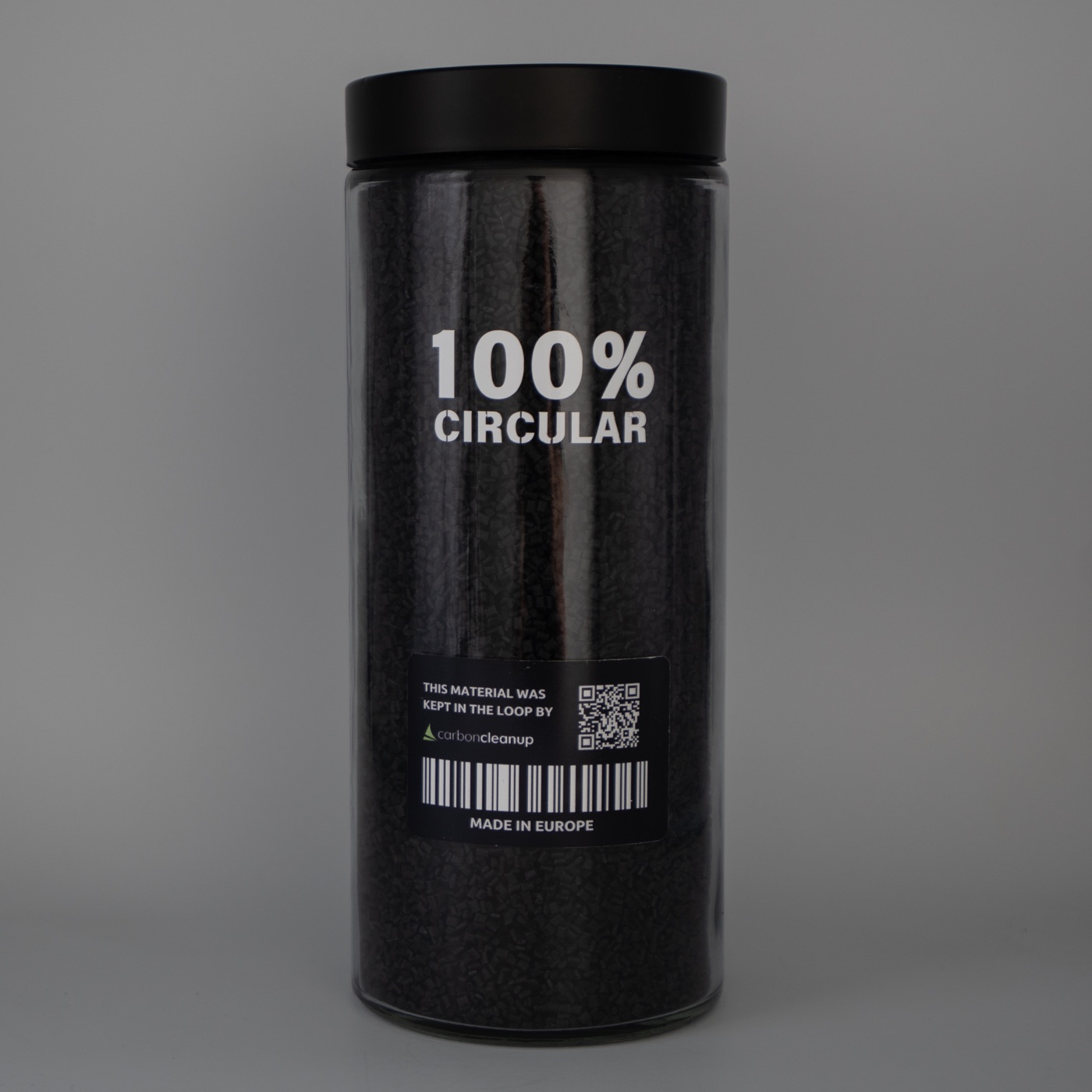
Sample bag of Ecoluxe recycled-carbon compound pelletsJar of Moon Materials recycled-carbon printing pellets
At a glance

Two production routes. Seven listed formulations.

The live portfolio states a recycled CFRP content range of 10–30% for each formulation below. These are portfolio descriptions; request the current grade datasheet before specifying a part.

04Ecoluxe injection-molding compounds
03Moon Materials printing pellets
10–30%Published recycled CFRP content range
01 / Injection molding

Ecoluxe compounds.

Recycled-carbon-fiber-reinforced thermoplastics intended for molding functional and visible parts. Choose the polymer to match the part's chemical, thermal, mechanical and finish requirements.

Recycled-carbon pellets shown in a transparent sample bag
01 / PP

Ecoluxe PP rCF

Polypropylene reinforced with recycled carbon fiber.

Recycled CFRP
10–30%
Continuous use
Up to 100 °C

Where it fits

Lightweight automotive components, structural housings, covers and trim, especially where lower mass, chemical resistance and vibration behavior matter.

Published characteristics

  • Low-density PP supports weight-sensitive designs.
  • Resists common automotive chemicals, including oils and fuels.
  • Carbon reinforcement is described as damping vibration in panels and interiors.
  • Recycled fiber reduces reliance on virgin reinforcement; environmental benefit needs project-level evidence.
02 / rPP

Ecoluxe rPP rCF

Recycled polypropylene reinforced with recycled carbon fiber.

Recycled CFRP
10–30%
Temperature resistance
Up to 110 °C

Where it fits

Housings, casings, trim, interior components, containers and functional prototypes.

Published characteristics

  • Post-industrial recycled PP is described as offering low odor for visible or interior parts.
  • Carbon reinforcement adds stiffness while keeping parts relatively light.
  • The formulation is positioned for resistance to common oils, cleaners and chemicals.
  • The live portfolio describes a recycled PP matrix and potential for circular design; carbon-footprint and end-of-life claims need verification.
03 / PA6

Ecoluxe PA6 rCF

Polyamide 6 reinforced with recycled carbon fiber.

Recycled CFRP
10–30%
Temperature
100 °C continuous
130 °C peak

Where it fits

Under-hood concepts, brackets, gear housings and other mechanical component trials where heat and repeated loading are relevant.

Published characteristics

  • Strength and stiffness for demanding mechanical designs.
  • Thermal and fatigue resistance for components exposed to heat and repeated stress.
  • Carbon reinforcement may give electrical conductivity; surface resistivity depends on fiber content.
  • ESD suitability must be measured for the selected grade and part. Recycled fiber may reduce virgin input.
04 / ABS

Ecoluxe ABS rCF

ABS reinforced with recycled carbon fiber.

Recycled CFRP
10–30%
Continuous use
Up to 95 °C

Where it fits

Consumer products, industrial housings and design prototypes where a durable, visible finish matters.

Published characteristics

  • Toughness and wear resistance for functional enclosures and products.
  • Smooth surface finish for parts users can see.
  • Dimensional stability and a lightweight, durable part concept.
  • Recycled fiber is presented as an alternative reinforcement; environmental performance needs product-specific evidence.

Other Ecoluxe compositions may be possible on request.

Discuss an Ecoluxe grade →
02 / Large-format additive manufacturing

Moon Materials pellets.

Recycled-carbon-fiber-reinforced thermoplastics for pellet-fed large-format 3D printing. The portfolio lists three polymer routes for jigs, tooling, prototypes and selected short-run applications.

Sample jar of recycled-carbon pellets for large-format printing
01 / rPETG

Moon rPETG rCF

Recycled-PETG-based material with recycled carbon reinforcement.

Recycled CFRP
10–30%
Print
230–260 °C
Continuous use
Approx. 75–80 °C

Where it fits

Furniture, architecture, functional prototypes, jigs, industrial equipment, fixtures and display models.

Published characteristics

  • Layer adhesion, low shrinkage and low warpage for stable large prints.
  • Positioned for faster printing and a matte carbon-fiber appearance.
  • Low moisture uptake is described as helping consistency.
  • Conductive or anti-static potential depends on the formulation and testing.
  • The live page describes recycled fiber and matrix and possible reprinting after shredding; validate the exact grade and process.
02 / ABS

Moon ABS rCF

ABS-based pellet feedstock with recycled carbon reinforcement.

Recycled CFRP
10–30%
Print
240–270 °C
Continuous use
Approx. 95–105 °C

Where it fits

Tooling, structural prototypes and functional parts for automotive and industrial development.

Published characteristics

  • Heat resistance for tooling and parts exposed to elevated temperatures.
  • Durability for mechanical loading in functional prototypes.
  • Printable finish with the appearance of carbon-reinforced material.
  • Conductive behavior is described as a formulation option, not an automatic grade property.
  • Recycled reinforcement can reduce virgin-material demand; validate footprint claims for the specific product.
03 / PP

Moon PP rCF

PP-based pellet feedstock with recycled carbon reinforcement.

Recycled CFRP
10–30%
Print
210–250 °C
Continuous use
Approx. 60–70 °C

Where it fits

Hybrid manufacturing concepts, prototypes and short-run production trials.

Published characteristics

  • Lightweight and somewhat flexible compared with stiffer formulations.
  • Chemical resistance for selected industrial environments.
  • Dimensional stability and low warpage are listed for large-format printing.
  • Recycled carbon fiber offers a route to lower virgin reinforcement use.

Other Moon Materials compositions may be possible on request.

Discuss a printing grade →
Choose a grade with evidence

Request the current datasheet and test material.

Share your process, target part, expected temperature, required properties and test quantity. Carbon Cleanup can confirm which formulation is available and what must be validated.

The values shown are published portfolio ranges. Confirm the available grade and its tested properties in a current datasheet before production use.

Material inquiry
Form preview. Email notifications are not connected yet; no data is sent from this prototype.